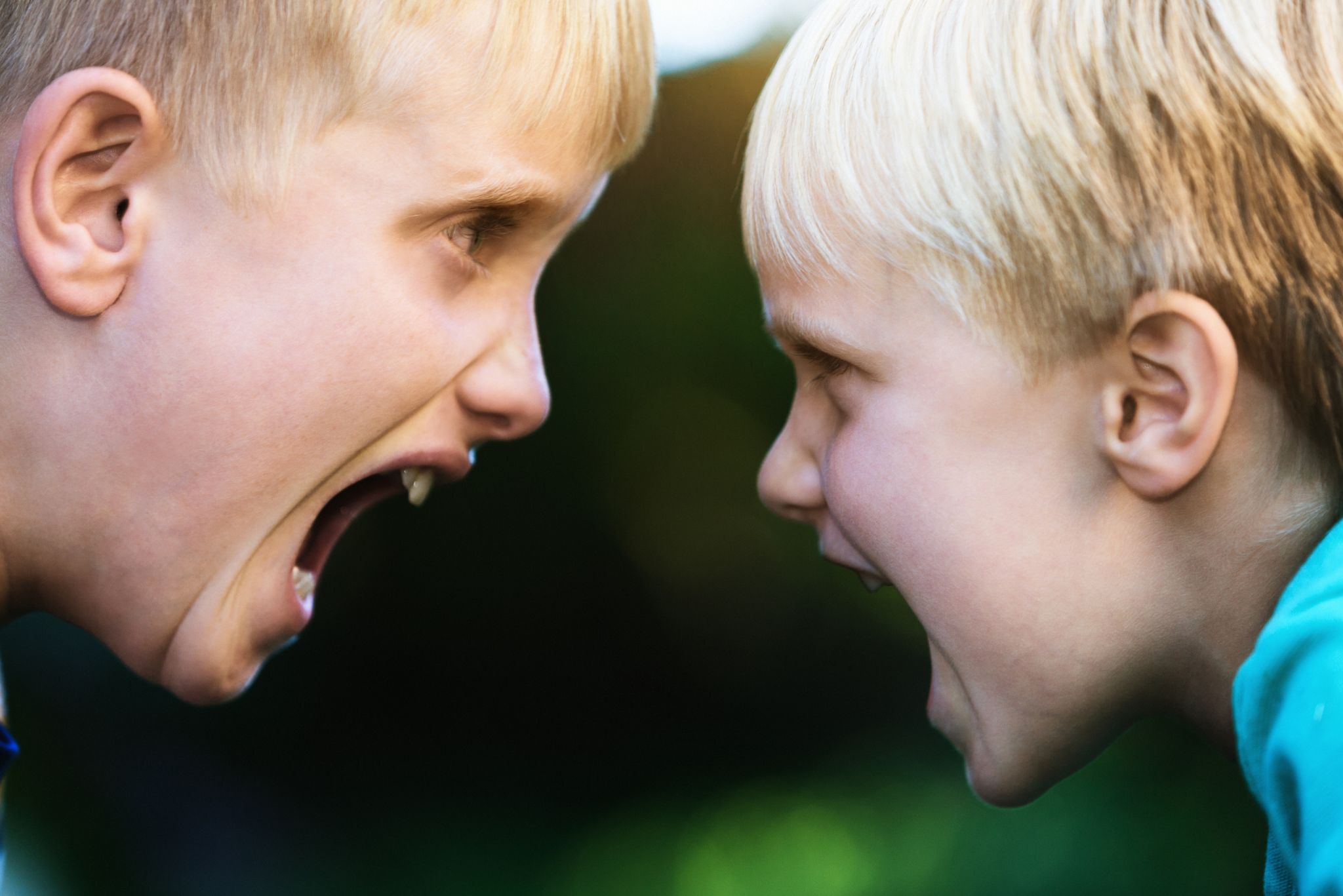
If your kids fight constantly, you are not failing. Some sibling rivalry is normal, and even healthy. It is how children practice sharing, standing up for themselves, and working out conflict.
So the goal is not zero fighting. It is fewer fights, calmer ones, and a stronger bond underneath. Those two things go together, and both depend a lot on how you respond.
This guide covers why siblings fight, when to step in and when to stay out, how to stop the constant battles, and how to help your kids actually grow closer. You will also find your part in it, which most advice skips.
Why Do Siblings Fight?
Most sibling rivalry comes down to a few simple drivers. Understanding them takes the personal sting out of the noise.
- Attention. Children compete for your time and approval, and a fight is often a bid for it.
- Fairness. Young children have a strong radar for what is fair, and it goes off constantly.
- Stage and personality. Different ages, needs, and temperaments rub against each other under one roof.
Tiredness, hunger, and boredom turn small sparks into full battles. Often the fight is not really about the toy. It is about a feeling underneath it.
The Daily Referee Job Is Exhausting
Attune-iN’s coparenting coaching helps parents manage conflict calmly.
Is Sibling Rivalry Normal?
Yes. Some rivalry between siblings is a normal part of growing up, and experts such as the American Academy of Pediatrics treat it as expected rather than a warning sign.
Handled well, sibling conflict even builds skills, negotiating, repairing, and reading other people, that help your child for life. The aim is not to erase it, but to keep it from turning cruel or constant.
When to Step In, and When to Let Them Work It Out
One of the biggest shifts is moving from referee to coach. A referee decides who is right. A coach helps children solve it themselves.
Step in right away if anyone is being hurt, or if the fight is clearly beyond what they can handle. Safety is never negotiable.
Otherwise, hang back a little. When you rush in and judge every squabble, children learn to fight for your ruling instead of solving the problem. A calm “I can see you both want the same thing. What could work for both of you?” teaches far more than a verdict.
How to Stop the Constant Fighting
You will not end sibling fighting completely, and you can cut it down a lot. A few steady habits make the biggest difference.
- Do not take sides. Taking sides fuels the rivalry. Stay neutral, and focus on the problem, not on who to blame.
- Stop comparing them. “Why can’t you be like your sister?” plants resentment that lasts. Speak to each child on their own terms.
- Coach, do not solve. Ask what each of them wants and what might work. Let them reach the answer with your guidance.
- Keep one firm rule: no hurting. Feelings are always allowed. Hitting, name-calling, and breaking things are not.
- Teach repair. After a fight, help them make it right in a small way. Repair is the skill that keeps a bond strong.
The words you use in the heat of it matter. A few swaps keep things from escalating:
- Instead of “Who started it?”, try “I’m not here to blame. I’m here to help.”
- Instead of “Why can’t you be nice like your sister?”, try “You two are having a hard time. Let’s fix it.”
- Instead of “Just share and stop fighting.”, try “What could work for both of you?”
Picture two kids fighting over one tablet. Instead of grabbing it and deciding, you say, “You both want a turn. That is tricky. What is a fair way to share it?” Then you wait. Often they surprise you with a plan. If they cannot, offer two options and let them choose. Either way, they learn they can work it out.
Finding It Hard to Stay Neutral?
Attune-iN’s coaching helps you understand triggers and respond calmly.
Fair Does Not Mean Equal
Trying to make everything exactly equal is a trap. Children keep score, and you can never match it perfectly.
Aim for fair, not identical. Fair means each child gets what they need, which is not always the same thing. “You each get what helps you” lands better than pretending everyone is the same.
When a child cries that something is not fair, you do not have to fix the math. “You wish you had one too. That makes sense” meets the feeling without starting a bidding war.
How to Build a Closer Sibling Bond
Stopping fights is only half the job. The other half is helping your kids actually like each other. Connection is what makes rivalry fade.
- Time with each of them. A little one-on-one time with each child fills the tank that fighting drains.
- Team moments. Give them shared wins, like building or baking together, so they learn to be a team.
- Catch them being kind. Notice and name kindness out loud. “You helped your brother, that was so kind.”
Watch the labels, too. Calling one child “the responsible one” and another “the wild one” locks them into roles and into rivalry. Let each child be more than a label.
One honest note: you cannot force closeness. Pushing “be nice to your brother” rarely works. What does work is easing the pressure, protecting the good moments, and letting the bond grow at its own pace.
Your Part: Staying Out of the Middle
Here is the part most guides skip. How you handle sibling conflict is shaped by how it was handled for you.
If you grew up compared to a sibling, or cast as a certain type, you may repeat it without meaning to, or overcorrect. Noticing that is not about blame. It is about choosing differently. Sometimes those patterns reach back to childhood, and understanding them helps you stay neutral now.
The way you speak to your children also becomes the way they speak to each other. Working on the patterns you carry makes calm, even-handed parenting far more natural.
New Baby or a Big Age Gap
A new baby is one of the most common triggers for rivalry. An older child can feel replaced, and act out to win you back.
Name it gently. “It is a big change having a baby here” gives the feeling somewhere to go. Protect a little special time that is just for your older child, and let them help in small ways, so they feel included rather than pushed aside.
With big age gaps, expect different needs rather than equal ones. The bond can still be strong, it just looks different than it does between kids close in age.
When Sibling Conflict Needs More Support
Most sibling fighting is normal and eases with time and steady guidance. Sometimes, though, it is worth a closer look.
Pay attention if the conflict is constant and cruel, if one child is genuinely frightened of another, if there is real aggression that does not respond to your limits, or if the tension is affecting a child’s mood or sleep.
These are reasons to talk with your pediatrician or a family professional, not signs of failure. The way children learn to handle conflict early shapes how they communicate in relationships for years, so support here is an investment, not a last resort.
Every Parent Could Use Backup
Talk to Attune-iN about parenting and coparenting support in Palo Alto or online.
Frequently Asked Questions
(01) Why do siblings fight so much?
(02) Is sibling rivalry normal?
(03) Should I get involved in my kids’ fights?
(04) How do I stop comparing my children?
(05) What does fair but not equal mean?
(06) How do I help my child adjust to a new baby?
(07) At what age is sibling rivalry worst?
(08) Does sibling rivalry ever go away?
Final Thoughts
Sibling rivalry is loud, tiring, and normal. Your kids are not destined to dislike each other, and you are not failing because they fight.
You will not stay perfectly neutral every time. No parent does. Every time you coach instead of referee, and connect instead of compare, you help your children fight a little less and love each other a little more.